The PTAH Project: Preserving Theban Archaeological Heritage
 |
 |
 |
 |
Help preserve a Theban tomb and reveal new information about the decline of the pharaonic empire!
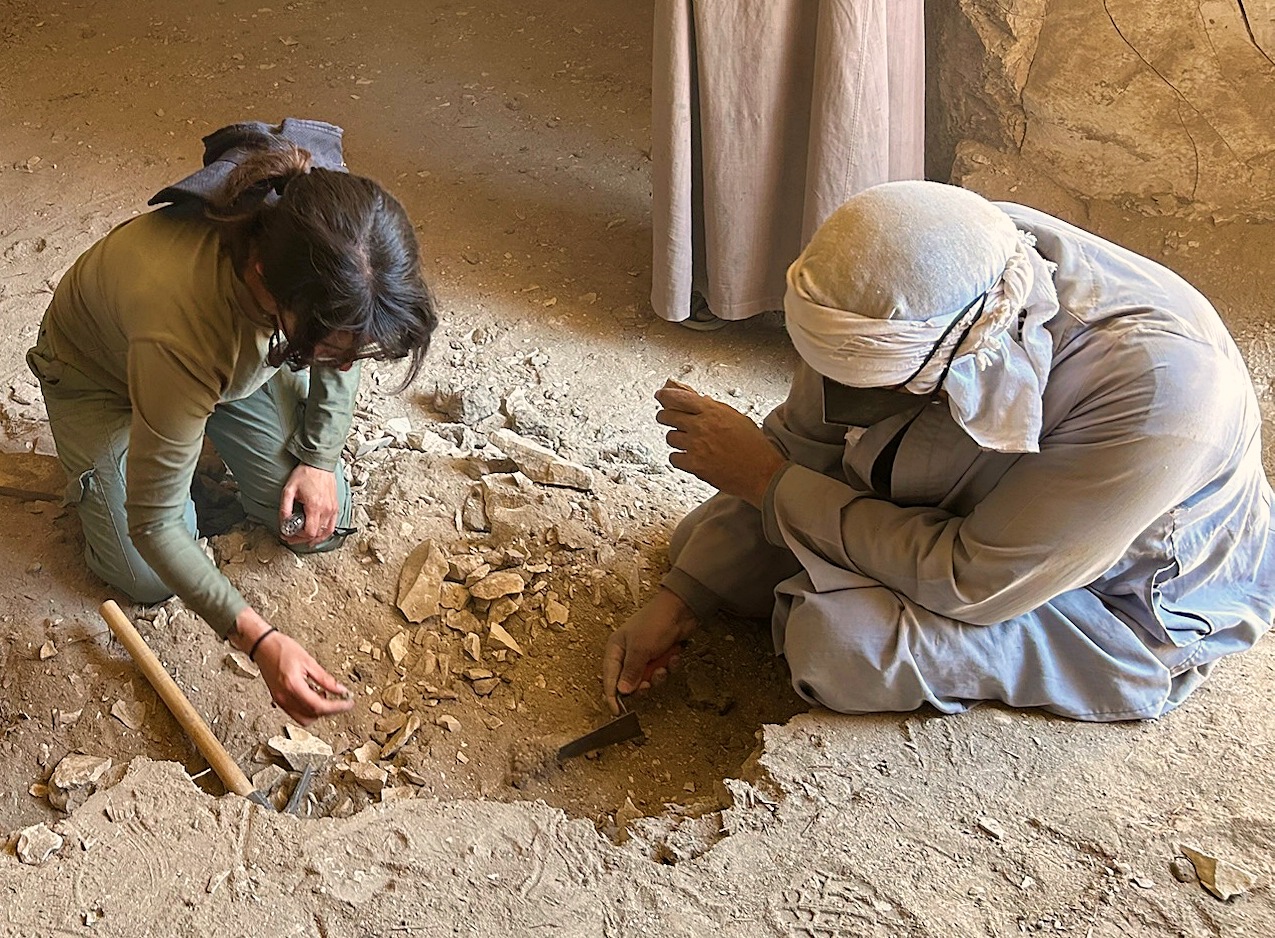
The Preserving Theban Archaeological Heritage (PTAH) Project was established to excavate, conserve, and study the Kampp -23- tomb in the North Asasif (Tombs of the Nobles) area of the Theban Necropolis in Luxor, Egypt. This project is directed by Dr. Casey L. Kirkpatrick under the auspices of Simon Fraser University, the University of Western Ontario, and the SSEA, in cooperation with Dr. Abdelghaffar Wagdy and the Egyptian Ministry of Tourism and Antiquities. This is the first and only Egyptian-Canadian team to work in the famed Theban Necropolis and it is already shedding new light on ancient Egyptian history.
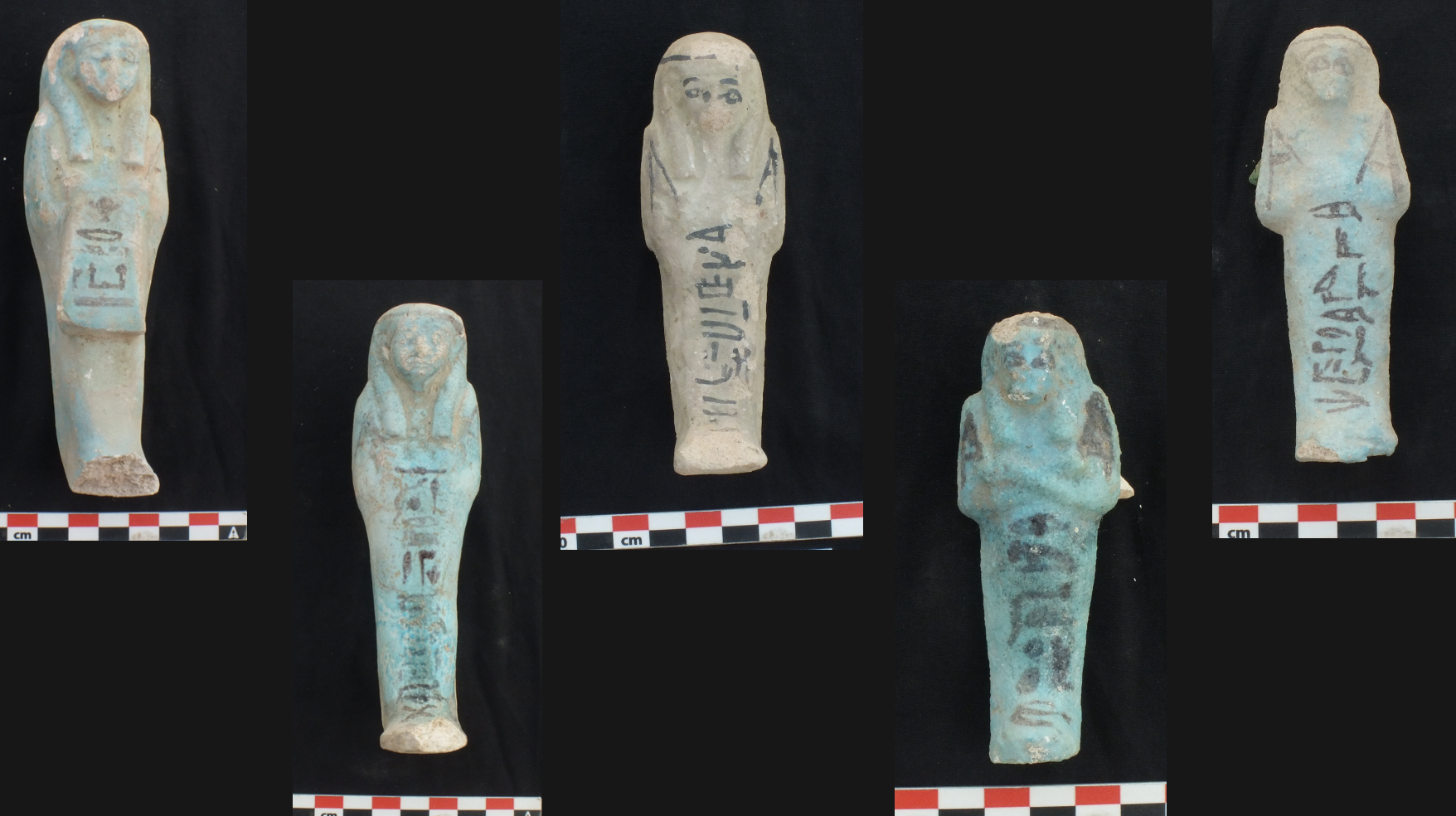
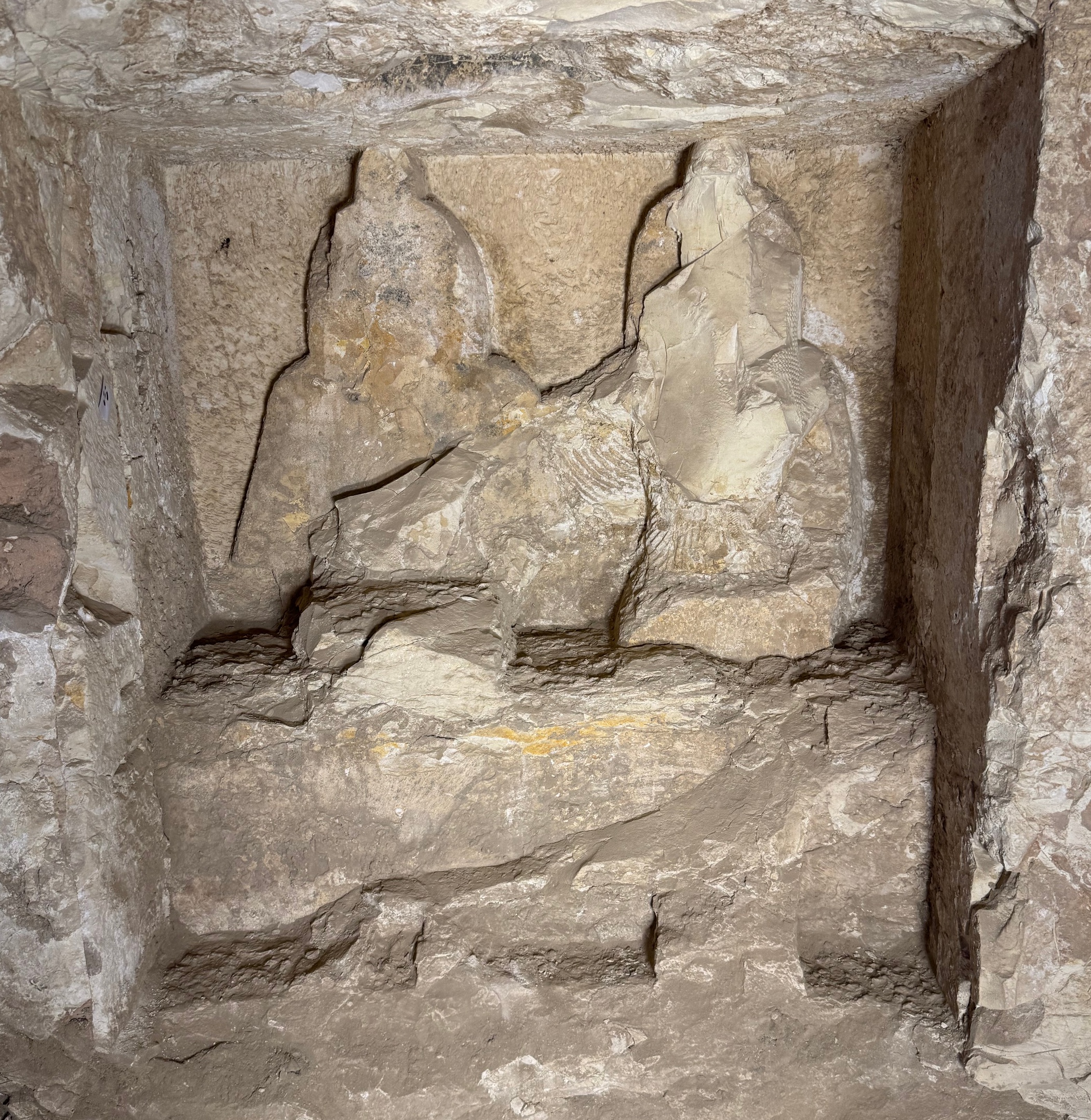
Prior to the start of the PTAH Project, the Kampp -23- tomb had never been excavated and Dr. Friederike Kampp (1996: 634-636) had only published a brief description of the tomb and designated it number 23 in her list of previously unpublished tombs. In 2023, the PTAH Project began excavation of the Kampp -23- courtyard and opened the Kampp -23- tomb. Through this work it was confirmed that the tomb dates to the Ramesside Period and it was discovered that the tomb had been reused on multiple occasions. It was also found that the tomb is in urgent need of conservation to preserve the surviving wall inscriptions and the statues, which are being damaged by the accumulation of salts.
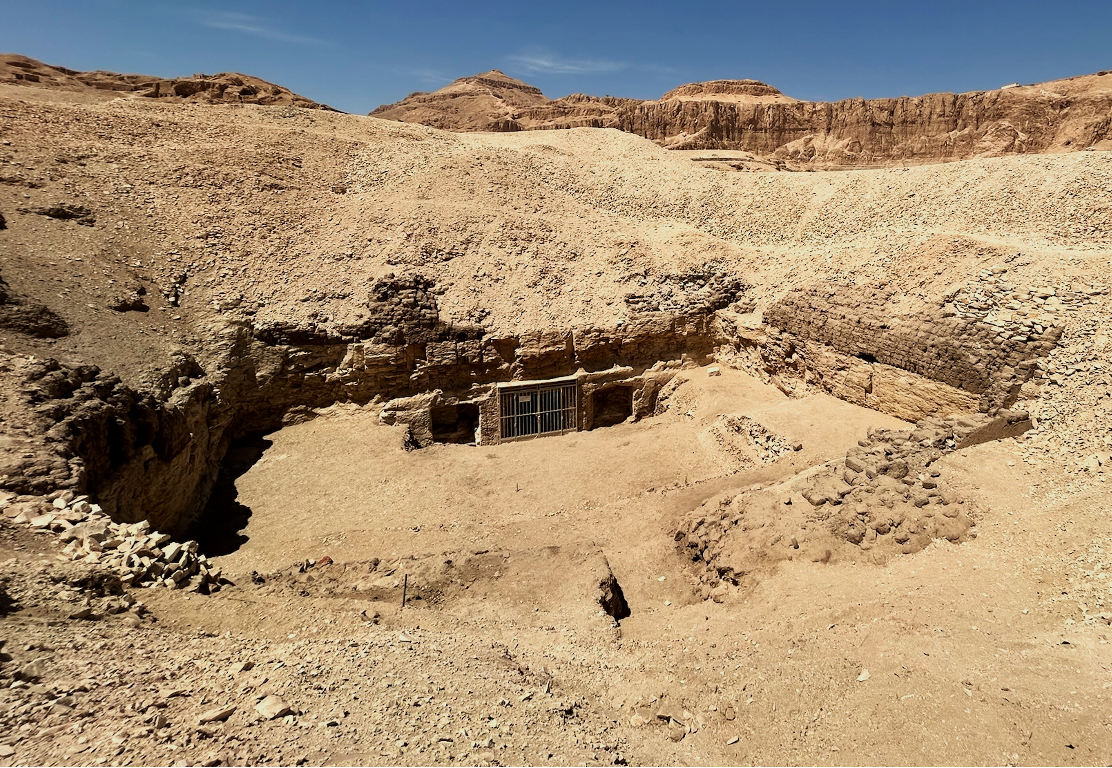 The North Asasif area was a prestigious and religiously significant burial place during the Ramesside Period due to its proximity to the Dier el-Bahari temples and the processional way for the Beautiful Festival of the Valley. It is also in close proximity to the Valley of the Kings, where tombs have been found for nearly all of the Ramesside pharaohs. In addition to this prestigious location, the relative size of the Kampp -23- tomb and its inclusion of multiple statues suggests that its original owner was a person of great influence. Recently, this was confirmed with the finding of an inscription that identified the tomb owner as Amenmose, Mayor of Thebes. Although there is a possibility that there was another individual with this name and title later in the Ramesside Period, it seems most likely that this tomb belongs to the same Amenmose, Mayor of Thebes, who served during the reign of Ramses IV, and held other important titles, including Councilor to the King and God’s Father of Amun.
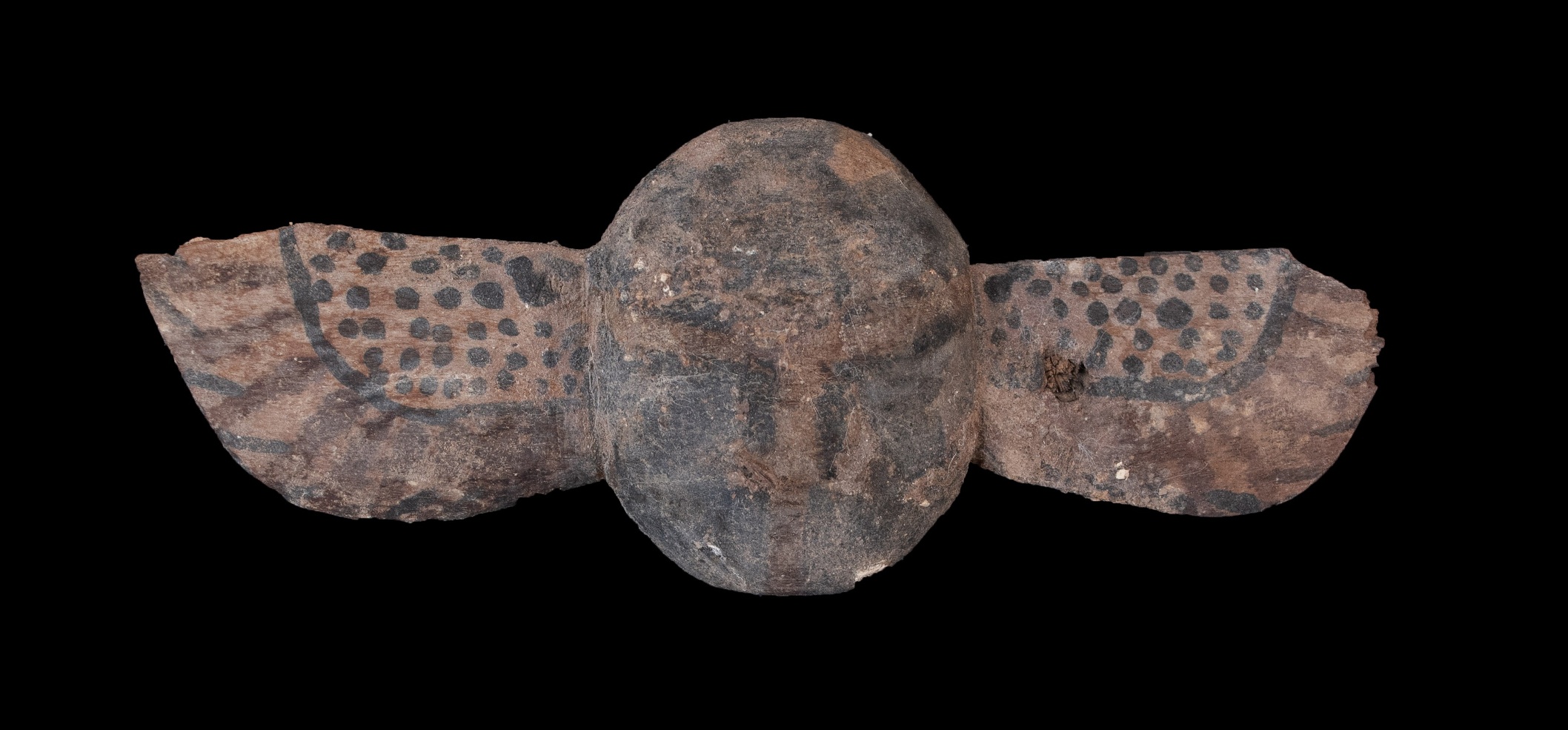
The short reign of Ramses IV was a pivotal time period that marks the beginning of the decline of the New Kingdom and of the pharaonic empire more generally. The growing power of the temple and state officials, like Amenmose, is often cited as a contributing factor to the decentralization of power and weakening of the kingdom. Since Kampp -23- is one of only two 20th dynasty tombs attributable to a non-royal state official, this project could produce invaluable information about this fascinating individual and period of time. Given that this tomb also shows evidence of reuse throughout the subsequent periods of political instability, war, famine, and foreign rule, the PTAH Project plans to use multidisciplinary methods to investigate changes in religion, funerary practices, language, material culture, climate, diet, and health over time. To this end, the PTAH Project aims to continue the excavation, documentation, conservation, and study of the Kampp -23- tomb, but we need your help…
Please consider supporting this work by donating now! Instructions on how to make a donation here.
Your donation to the PTAH Project through the SSEA will contribute to the costs of excavation, documentation, and conservation materials, and the employment of specialists as well as dozens of local Egyptian workers during a time of economic hardship in Egypt. Ultimately, your donation will allow us to gain better understandings of ancient Egypt and preserve a part of our collective heritage for the future. Even small donations will make a big difference in the success of this project. Donations are tax deductible if you are a Canadian resident and can be made by etransfer, PayPal, or cheque!